How to name your podcast so people can actually find it
A good name is findable, clear of collisions, and built to stretch. Here's how to pick one that passes all three tests, and why it matters less than you think.
You record six episodes of a show about “living with a little more intention.” You call it On Purpose, because that’s the whole point of the thing. You publish, you open the app to admire your work, you type the name into the search bar, and you’re not there. Jay Shetty is. His On Purpose pulls millions of listeners an episode and sits near the top of the wellness charts, and your version is buried so far down that even your mom gives up scrolling.
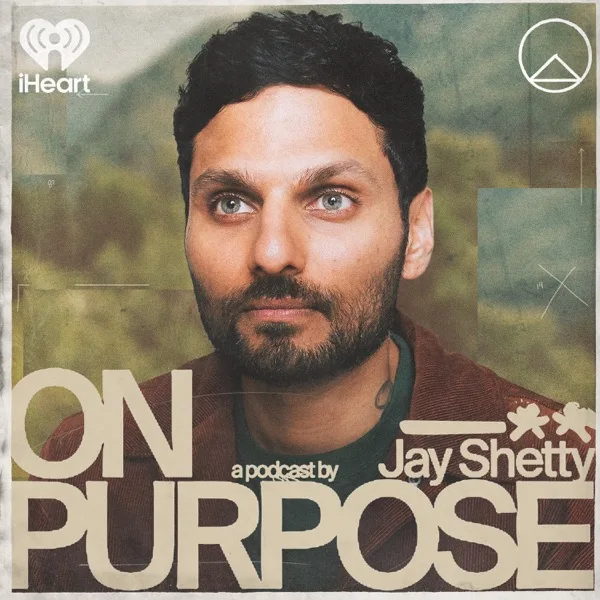
That’s not a crazy moment of bad luck. It’s the most common naming mistake there is, and it has a hundred versions. Name a news show The Daily and you’re standing in line behind The New York Times. Name a true crime show anything within shouting distance of Crime Junkie and you’re behind the biggest show in the genre. The name you pick isn’t decoration on top of the show. It’s the thing that decides whether anyone ever finds the show at all.
So it’s worth getting right. But probably not in the way you’d guess.
The part nobody tells you
Here’s what changes the whole conversation.
The name of your show has one main job: to get you matched when someone searches for it. That’s it.
Whether you actually surface above a bigger show has very little to do with the name and almost everything to do with how many people play your episodes, finish them, and how recently you uploaded.
Both Apple and Spotify lean hard on freshness. Roughly 65% of the shows in Apple’s top 10 search results published something in the last 30 days. On Spotify it’s tighter, around two-thirds published in the last 15. So a brilliant name on a show that posts once a quarter loses to a forgettable name on a show that posts every week. Cadence is a lever your name can’t pull, and retention is another one.
If people start your episodes and bail two minutes in, the algorithm reads that as “nobody wants this” no matter what it’s called.
Good news hiding in there: you don’t need to lose a month soul-searching for the perfect name. You just need to avoid a few specific problems. These are the ones I watch for.
Findable mostly means “don’t be boring”
The safest names are the worst names.
- Talking Business
- The Marketing Show
- Health Matters
They feel responsible, which is exactly why they don’t work. Even Apple’s own search documentation tells you to be distinctive and avoid names that are too generic. A thousand other people had the same responsible instinct, so the name carries no information and no personality. Nobody searches for it on purpose and nobody remembers it by accident.
The internet rewards weird. A name that’s a little strange, specific, or pointed will out-earn a sensible one every time, because it gives someone a reason to click and something to repeat. Subversive beats The Business Interview Show. It just does.
One caveat, because there’s real data here.
A single relevant keyword in the title genuinely helps.
Apple will nudge a show up a few spots for having the right word in the name, and it tells a stranger what they’re about to hear. But there’s a hard ceiling on that move.
Stuff your title with keywords, the way some growth-hungry host names their show Best Marketing SEO Business Growth Podcast, and Apple treats it as manipulation and pushes you down or rejects it outright. One keyword, wrapped in something interesting. Not a pile of them.
If you’ve got no name yet, here’s a template I like for shows that are just starting:
- Backchannel: Honest Talk About Startup Growth
- Lumen: A Skeptic's Guide to Meditation
- Offcut: Conversations with Indie Filmmakers
The strange part stands out and gives you a brand. The plain part does the searching and the explaining — you get the personality and the keyword in one line. And it sets up a clean move later: once enough people know the show, you drop the descriptive half and run with just the brand. That graduation costs you almost nothing, which I’ll come back to at the end.
Check for collisions before you fall in love
Before you commit to anything, go search the exact name. Apple, Spotify, Listen Notes, YouTube. Check the social handles while you’re at it, and whether the domain’s gone. Five minutes now saves you a year of being invisible later.
What you’re looking for is the difference between a fatal collision and a survivable one. Fatal is a big, active show in your lane, the On Purpose situation, where the giant owns every result and you’re never getting above it. Survivable is some tiny show that posted twice in 2019 and quit, or an active show in a completely different world from yours.
But understand that no collision is truly free. Say you launch a history show called Deep Dive and there’s already an active tech show called Deep Dive. Different topics, no real confusion once someone’s looking at both. Still, you both turn up on the same search, and now anyone hunting for you has to squint and pick. You’ve handed them a small reason to give up. Multiply that across every new listener and it adds up. A clean name is one fewer thing standing between a stranger and your show.
Say it out loud before you decide
This one’s simple and people skip it constantly.
Say the name out loud, the way you’d answer if someone at dinner asked what your podcast’s called.
If you can’t get through it without a follow-up, “it’s spelled with a zero instead of an O,” you’ve got a problem, because word of mouth is how shows actually spread and you’ve put a tax on every recommendation.
Same goes for spelling it from sound alone. Around 40% of new podcast discovery now happens in a search bar, and YouTube has quietly become the biggest discovery surface there is. If someone hears your name on another show and can’t type it correctly on the first try, that listener is gone.
Weird is fine. Unspellable is not. This is where clever misspellings, symbols, and numbers-instead-of-letters quietly kill shows that otherwise had a shot.
Name a vibe, not an activity
Here’s the trap that bites people a year in, once the show’s doing well enough to grow past its original idea. Call your show Top Gamers and build it on interviews with the best-ranked players in the world. Great, until you land an interview with the CEO of NVIDIA to talk about a graphics card that’s going to change gaming. He’s not a top gamer. The name you picked just told your audience this episode doesn’t belong, and you either pass on a great guest or confuse everyone.
Name the theme, not the job.
Subversive works because it points at a tension, the idea of weakening whatever the established way of doing things is, which is what every company on the show is actually up to. It’s not Founders Podcast and it’s not Startup Interviews. It’s a feeling broad enough that the show can wander anywhere in business and still feel like itself, even though right now it’s locked into one interview format.
The exception proves the rule. If your show is built around one specific, finite premise on purpose, like a host documenting his own life with a terminal illness, then naming yourself straight into that corner is the right call. The corner is the entire show. That’s a choice, though, made with eyes open. Most people back into a narrow name by accident and regret it.
Should your name be in the title?
If you’re a known person launching a show, this comes up fast.
Put your name in the title when you are the product.
You’re building a reputation, selling a book, getting booked to speak, and the show exists to feed that. Good Hang with Amy Poehler. The Tucker Carlson Show. People type the human’s name, the show comes up, done.
Leave your name out when the show is the product, when you want a thing that’s sellable and can outlive your day-to-day involvement.
Tiger Belly is Bobby Lee’s show, his name’s nowhere in the title, and that’s deliberate. (Worth noting how the interview shows handle it: Joe Rogan’s name is on the show, but the episodes are titled after the guests, because that week the guest is the draw.)
And yes, plenty of people want both, a bigger personal name and a standalone show that’s genuinely good. That’s a fine thing to want. Just know which one you’re optimizing for first, because it changes the answer.
If you’re starting from scratch, the name is downstream
One more reframe for first-timers, because I see people pour weeks into the name while the things that actually grow a show sit untouched. You’re launching into a field of roughly 400,000 active podcasts. The name is not what gets you out of that pile.
Hit the baseline and move on. A decent title, a thumbnail that reads at small size, a solid description, your socials claimed, a page someone can land on. Then spend your actual energy on three things that matter far more:
- recording the early episodes
- cutting clips from them so the show shows up where people already are
- getting yourself onto other people’s podcasts, ideally ones a notch bigger than you and in your own lane
The name opens the door. Clips and borrowed audiences are what fill the room.
If you already hate your name, change it
Last thing, because some of you reading this are stuck with a name you regret. Change it. It’s cheaper than you think.
The fear is that renaming means starting over, and it doesn’t, as long as you keep the same RSS feed. Your subscribers, your reviews, your whole back catalog, they all ride along. The apps just show the new name and new art. What you actually pay is a little lost search momentum and a few weeks of “wait, didn’t this used to be called something else?” which you handle by announcing it early and saying the new name in every episode leading up to the switch.
For a solo show especially, the name has to feel like yours. If it doesn’t, every time you say it out loud, there’s a tiny flinch, and that flinch leaks into how you sell the show. Cut it and move on. The right name won’t grow the show by itself. The wrong one will quietly make everything harder, and there’s no reason to keep paying for that.
Need a hand with your show?
Say hi!